


EP05 Topical Panel 12 - Research in Psychotherapy - Albert Bandura, PhD; Marsha Linehan, PhD; Donald Meichenbaum, PhD; John Gottman, PhD
- Average Rating:
- Not yet rated
- Topic Areas:
- Topical Panels | Psychotherapy | Research
- Categories:
- Evolution of Psychotherapy | Evolution of Psychotherapy 2005
- Faculty:
- Albert Bandura | Marsha Linehan, PhD | Donald Meichenbaum, PhD | John Gottman, PhD
- Duration:
- 1 Hour 02 Minutes
- Format:
- Audio Only
- Original Program Date:
- Dec 09, 2005
- License:
- Never Expires.
Description
Description: This panel takes an candid look at psychotherapy research, asking not just what works, but how change actually holds up in real life. Drawing on couples research, suicide prevention, treatment development, and implementation science, the discussion wrestles with relapse, mechanisms of change, evidence-based practice, and the gap between research settings and everyday clinical work. Therapists and students are invited into a lively, unscripted conversation about data, judgment, ethics, and how research can genuinely serve both clients and society.
Moderated by Jeffrey Kottler, PhD
Educational Objectives:
- To compare and contrast clinical and philosophical perspectives of experts.
*Sessions may be edited for content and to preserve confidentiality*
Credits
Faculty
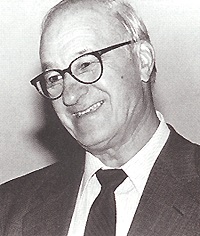
Albert Bandura Related Seminars and Products
ALBERT BANDURA, Ph.D., is Professor of Psychology, Stanford University. He has been elected to the American Academy of Arts and Sciences and the Institute of Medicine of the National Academy of Science. Dr. Bandura is a proponent of Self-Efficacy Theory. This theory and its diverse applications are presented in his recently published book, Self-Efficacy: The Exercise of Control.
Bandura has been responsible for contributions to the field of education and to several fields of psychology, including social cognitive theory, therapy, and personality psychology, and was also of incluence in the transition between behaviorism and cognitive psychology. He is known as the originator of social learning theory (renamed the social cognitive theory) and the theoretical construct of self-efficacy, and is also responsible for the influential 1961 Bobo doll experiment. This Bobo doll experiment demonstrated the concept of observational learning.
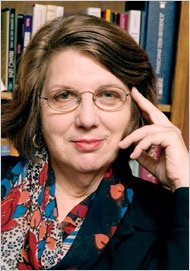
Marsha Linehan, PhD Related Seminars and Products
Marsha M. Linehan, PhD, ABPP, is an American psychologist and author. She is the creator of Dialectical Behavior Therapy (DBT), a type of psychotherapy that combines behavioral science with Zen concepts like acceptance and mindfulness. Professor of Psychology and Director of the Behavioral Research and Therapy Clinics at the University of Washington, Seattle, WA. Her primary research is in the application of behavioral models to suicidal behaviors, drug abuse, and borderline personality disorder. She has received several awards recognizing her clinical and research contributions and is past president of the Association for the Advancement of Behavior Therapy. A fellow of the American Psychological Association and the American Psychopathological Association, Dr. Linehan is a diplomate of the American Board of Behavioral Psychology.
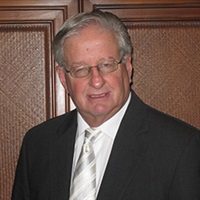
Donald Meichenbaum, PhD Related Seminars and Products
Donald Meichenbaum, Ph.D in Clinical Psychology is currently Research Director of Melissa Institute for Violence Prevention, Miami (melissainstitute.org). He is one of the founders of cognitive behavior therapy. He was voted one of the most influential psychotherapists of the 20th century. Latest books include "Roadmap to Resilience" (www.roadmaptoresilience.com) and "Evolution of Cognitive Behavior Therapy: A Personal and Professional Journey."
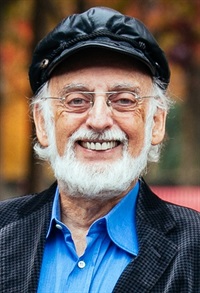
John Gottman, PhD Related Seminars and Products
John Gottman, PhD, was one of the Top 10 Most Influential Therapists of the past quarter-century by the Psychotherapy Networker. Dr. Gottman is a professor emeritus in psychology known for his work on marital stability and relationship analysis through scientific direct observations, many of which were published in peer-reviewed literature. He is the author or co-author of over 200 published academic articles and more than 40 books, including the bestselling The Seven Principles for Making Marriage Work; What Makes Love Last; The Relationship Cure; Why Marriages Succeed or Fail; and Raising An Emotionally Intelligent Child, among many others.